
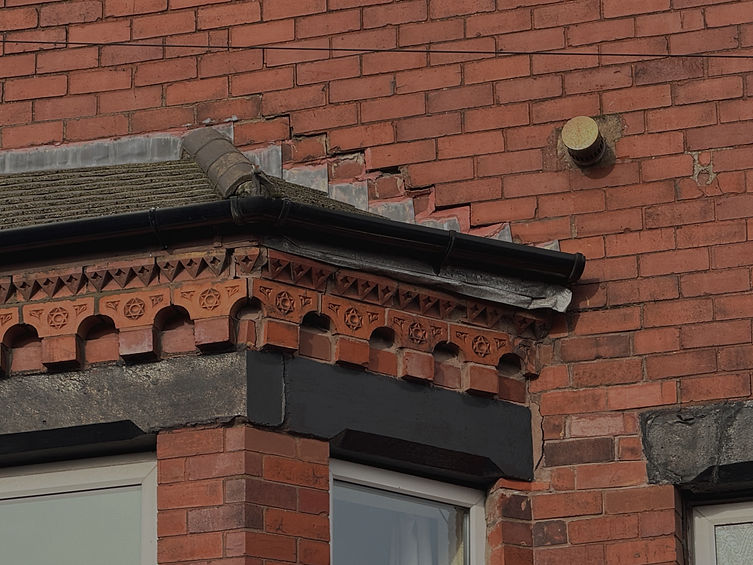

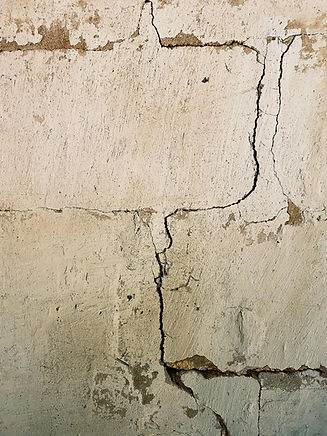
Are you concerned about structural issues?
Structural Survey
By Chartered Building Surveyors
Structural defects can develop gradually and remain hidden until they become disruptive, expensive — or even dangerous. Early professional assessment is essential.
Our Chartered Building Surveyors provide independent structural inspections and defect investigations and, where required, can coordinate with suitably qualified structural engineers to obtain structural calculations to support Building Regulations applications, across the North West and surrounding areas.
Whether you are purchasing property, altering a building, or concerned about cracking or movement, we deliver clear technical advice to help you make informed decisions.
What Is a Structural Survey?
A Structural Survey is a focused inspection of a building’s load-bearing elements to assess visible signs of movement, distress and structural performance.
Unlike a general condition survey, this type of inspection concentrates specifically on structural performance, including:
-
Foundations and ground movement
-
External and internal load-bearing walls
-
Floors and suspended structures
-
Roof structures and framing
-
Beams, columns, and lintels
Using our understanding of structural behaviour, material performance, and building pathology, we investigate the cause — not just the symptoms — of defects such as cracking, deflection, settlement, or structural alteration concerns.
The objective is to establish the nature, extent, and likely progression of any issue before remedial works are undertaken or a purchase proceeds.
What Does a Structural Survey Involve?
A structural investigation is tailored to the specific concerns identified.
Typically, this includes:
-
Detailed visual inspection of critical load-bearing elements
-
Assessment of cracking patterns and movement
-
Inspection of roof and floor structural members
-
Identification of lintel failure or beam overstressing
-
Consideration of previous alterations or structural removals
-
Assessment of visible signs that may indicate foundation movement or ground-related issues
Where required, we may use specialist diagnostic techniques to assess concealed construction or foundation depth.
If structural alterations are proposed — such as removal of load-bearing walls, extensions, or beam installations — Red Square Property Surveyors can engage with Structural Engineers to obtain calculations suitable for submission to Building Control where required.
Our reports provide:
-
Diagnosis of structural defects
-
Risk assessment
-
Recommended remedial strategy
-
Advice on urgency and next steps
Structural Survey vs Building Survey – What’s the Difference?
While both are undertaken by Chartered professionals, our scope differs.
Building Survey
A Building Survey provides a comprehensive assessment of the entire property, including condition, defects, maintenance issues, and risks. It is typically commissioned by purchasers seeking a full overview prior to acquisition.
Structural Survey
A Structural Survey focuses exclusively on the structural integrity of the building. It is usually instructed when:
-
Structural cracking is present
-
Movement or subsidence is suspected
-
Load-bearing walls are to be removed
-
Structural alterations are planned
-
Specific structural concerns have been identified in a previous report
In short, a Building Survey offers broad property insight, whereas a Structural Inspection delivers targeted structural analysis.


Why Commission a Structural Survey?
A professional structural assessment can:
-
Identify the cause of cracking or movement
-
Distinguish cosmetic defects from structural failure
-
Prevent unnecessary or inappropriate remedial works
-
Support property purchase negotiations
-
Satisfy lender or insurer requirements
-
Reduce long-term risk and repair costs
-
Obtain structural calculations to support Building Regulations applications where required
Early investigation is often significantly less costly than delayed intervention.
Who We Work With
-
Homeowners
-
Property investors
-
Developers
-
Commercial landlords
-
Managing agents
-
Solicitors
-
Architects and contractors
Our advice is independent and technically robust, ensuring decisions are based on evidence and structural principles — not assumption.

Areas Covered
Based in Liverpool, we undertake roof inspections and drone surveys across:
-
Merseyside
-
Greater Manchester
-
Cheshire
-
Lancashire
-
North Wales
-
Wider North of England
Arrange a Structural Survey
If you are concerned about structural cracking, foundation movement, beam installation, or require technical support for proposed structural alterations, contact us to discuss your requirements.
We will advise on the most appropriate method of inspection and arrange a convenient appointment with a Chartered Building Surveyor.
Inspections are visual and non-invasive unless otherwise agreed. Reports provide an independent professional opinion based on evidence available at the time of inspection and are subject to our Terms of Engagement.
Where specialist expertise is required, including structural engineering calculations or intrusive investigations, we will recommend or coordinate the appointment of suitably qualified consultants.
Let's discuss your needs further...
Get in touch so we can start working together.